
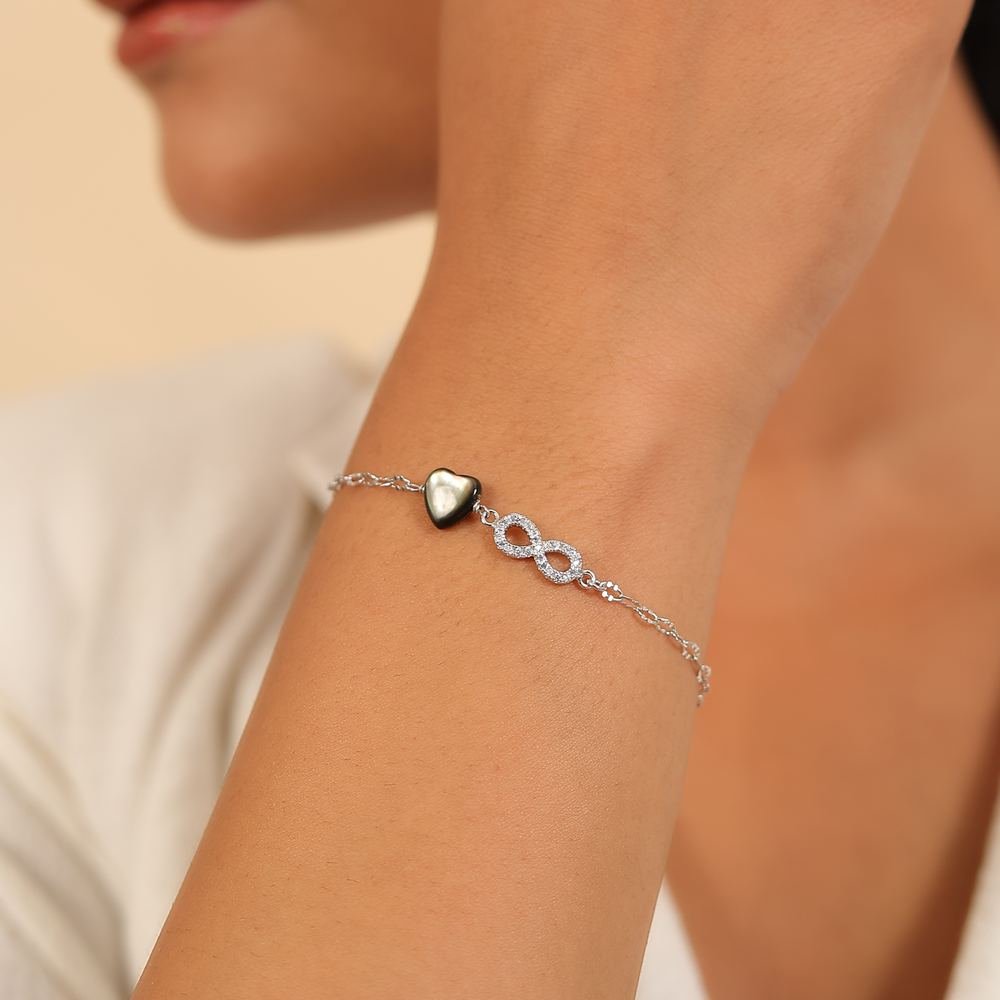
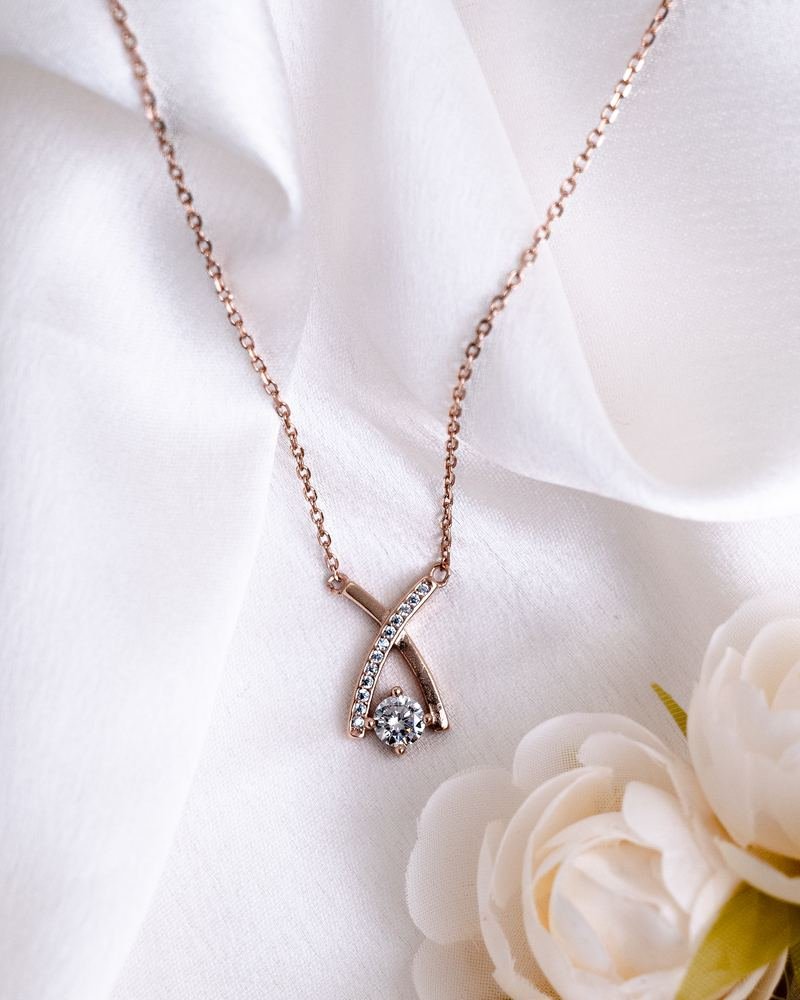
Every CartAdda jewellery piece — bracelets, rings, earrings, pendants, anklets, couple rings and sets — is 925 sterling silver finished with a rhodium e-coat, not bare polished silver. That one detail changes the right care advice: a lot of generic "clean your silver" guides online recommend toothpaste or a baking-soda scrub, and both are genuinely bad advice for a rhodium-plated piece, because they're abrasive enough to wear through the thin rhodium layer over repeated use. Here's what actually works for what you're wearing.
Why Rhodium Plating Changes The Advice
Rhodium is a bright white metal plated over the sterling silver to add shine and slow down tarnish — it's the same plating used on a lot of white-gold jewellery for the same reason. It's durable for daily wear, but it's still a thin surface layer, not solid metal all the way through, which means anything genuinely abrasive — toothpaste, baking soda paste, a jewellery polishing cloth meant for bare silver — can dull or wear through it faster than it should. The right approach is closer to "protect the coat," not "polish the metal," and it's simpler than most cleaning guides make it sound.
Everyday Cleaning: Soft Cloth And Mild Soap Only
For most day-to-day buildup — skin oils, a little dust, faint fingerprints — a dry, soft microfiber cloth is genuinely enough, wiped gently rather than scrubbed. For anything that needs more than a wipe, mix a drop of mild, fragrance-free soap into lukewarm water, dip a soft cloth (not a brush), wipe gently, then rinse briefly under lukewarm running water and dry immediately and completely with a clean cloth — piece left to air-dry, especially anywhere zircon stones are set, is how moisture ends up sitting under a stone setting. That's the whole routine. No toothpaste, no baking soda, no silver-dip solutions — all three are formulated for bare silver and are more aggressive than a rhodium-plated piece needs or can safely take.
What Actually Causes Rhodium To Wear Faster
Four things do most of the damage, all avoidable: chlorine (pools and some tap water in hard-water areas), perfume and lotion applied directly onto the piece rather than before you put it on, prolonged contact with sweat during workouts, and any abrasive cloth or cleaning product not specifically made for plated jewellery. The simple habit that prevents most of this: jewellery goes on last, after perfume and lotion have dried, and comes off first, before a shower, swim or workout.
Storing Between Wears
Store each piece separately, or at least not touching other jewellery — metal-on-metal contact in a jumbled drawer is a common cause of surface scratches that have nothing to do with tarnish. The jewellery box with authenticity card that arrives with your CartAdda order is genuinely suited to this — keep pieces in their individual slot or pouch rather than loose in a bowl. Keep the storage spot dry; a bathroom shelf near a shower is one of the worst common spots because of the humidity, even with the box closed.
Anklets, Rings And Everyday-Wear Pieces
Anklets and rings typically see more daily friction and moisture than a pendant or earrings do, simply from where they sit — against skin, socks or shoes, or in and out of water at a sink. Rinse and dry these more often if you wear them daily, and if you notice the surface starting to look duller in patches rather than evenly, that's the early sign to ease off on wear near water rather than to reach for a stronger cleaning method.
When It's Time For Re-Plating, Not Cleaning
Rhodium plating does wear down eventually with years of regular wear — that's normal and not a fault in the piece, it's how any plated jewellery ages. If a piece starts showing a warmer, slightly yellow tinge under the shine rather than just looking dusty, that's the underlying sterling silver becoming visible through a thinned coat, and cleaning won't fix it — that's a re-plating job for a local jeweller, not a home-cleaning problem.
Common Questions
Can I wear CartAdda jewellery in the shower or while swimming? It's best not to, as a habit — chlorine and prolonged water contact are two of the main things that shorten a rhodium coat's life, and it takes a few extra seconds to take a piece off first. Is it safe to wear multiple pieces together, like a ring and a bracelet on the same hand? Yes, that's normal wear — the concern is storage, not wearing; pieces knocking together while worn is far less repetitive contact than being tangled in a drawer for weeks. My piece has a zircon stone — does the stone need different care from the metal? Keep the same soft-cloth, mild-soap routine, just avoid soaking or scrubbing directly at the stone's setting, since repeated moisture there is what can loosen a prong over time.
Browse the full range in Bracelets, Rings, Earrings, Pendants, Anklets, Jewellery Sets or Couple Rings, or message us on WhatsApp if you have a specific piece you'd like care advice for.