
A kurti is one of the most flexible pieces in an Indian wardrobe — the same piece can read as office-appropriate, festive, or completely casual depending entirely on what you pair it with. All of our kurtis are cotton and run XS through 6XL, so the fit range isn't the limiting factor — styling is where most of the decision-making actually happens. Here's how we'd approach it.
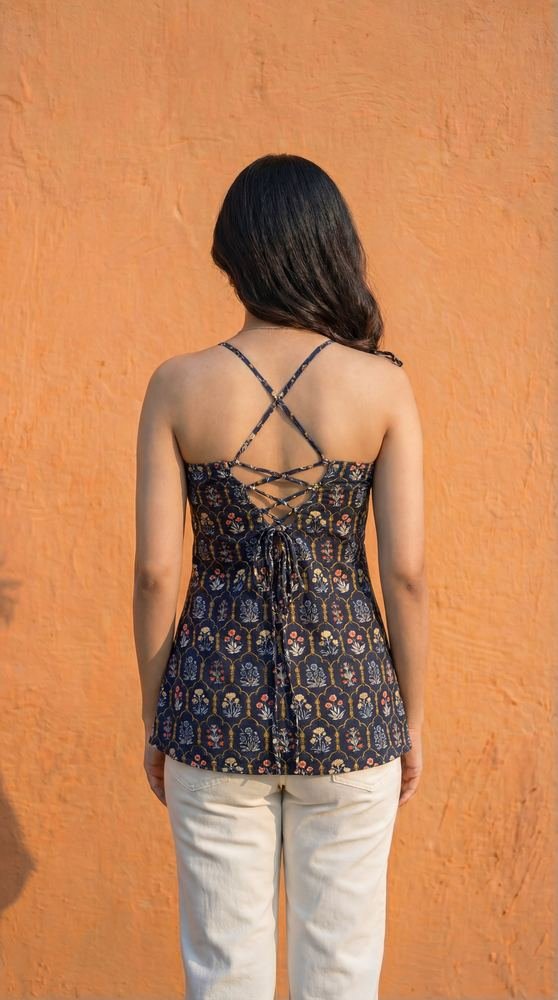
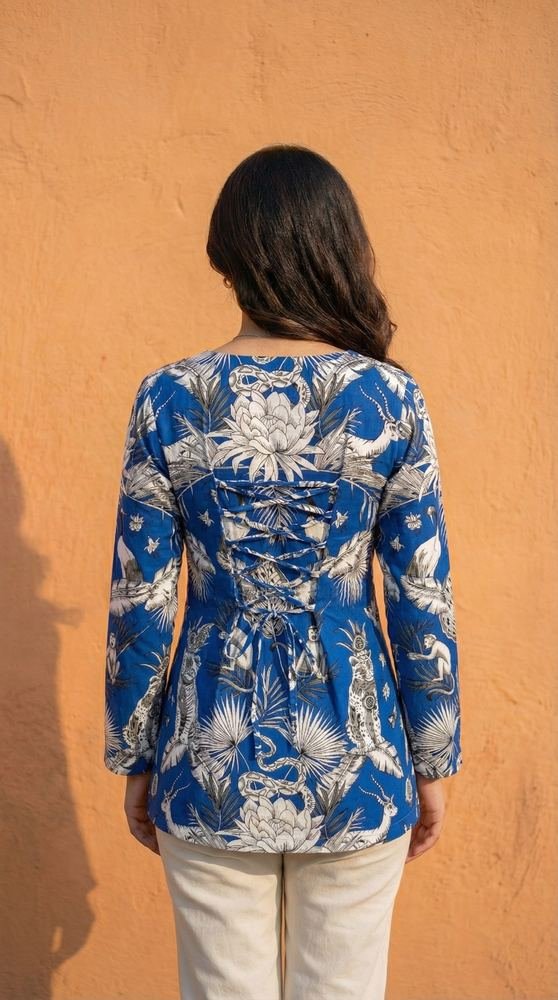
1. Kurti + Palazzo, For A Flowy Everyday Look
This is the most forgiving combination in kurti styling — a wide-legged palazzo balances almost any kurti length and silhouette, and the loose fit on both pieces makes it genuinely comfortable for a full day out. Works especially well with our Pants range in a solid, neutral shade if your kurti already has a print, so the outfit doesn't compete with itself.
2. Kurti + Fitted Bottoms, For A Slimmer Silhouette
Pairing a kurti with leggings or slim-fit pants creates a cleaner, more fitted line — this works particularly well with our shorter kurti styles, where a fitted bottom keeps the proportions balanced instead of looking bottom-heavy. It's also the easiest combination to dress up for a semi-formal day: add heeled sandals and the same outfit reads noticeably more polished.
3. Kurti + Skirt, For A Fusion Look
A long, straight-cut kurti over a flared skirt is a genuine fusion silhouette — pick pieces that contrast rather than match (a solid kurti over a printed skirt, or vice versa) so the layering reads as intentional. This combination works best for a festive-casual day rather than the office, since the fuller skirt silhouette needs a bit more room to move than a desk day usually allows.
4. Kurti As A Layering Piece, Over Or Under
A kurti doesn't have to be worn alone. Over a simple camisole and jeans, an open, longer-length kurti works almost like a light jacket for a cooler evening. Under a denim or utility jacket, a fitted short kurti reads as a top rather than ethnic wear, which is a genuinely useful way to get more wear out of a piece you might otherwise reach for only on "ethnic wear" days.
5. Kurti + Statement Accessories, To Change The Occasion
The fastest way to shift the same kurti from daywear to evening is accessories, not the garment itself — swap simple studs for our statement earrings, add a pendant or layered bracelet, and switch flats for heels. None of that requires owning a separate "occasion" kurti — it's the same piece, restyled.
Choosing The Right Kurti Length For Your Height
As a general rule: a longer, ankle- or knee-length kurti can overwhelm a shorter frame, while a short kurti (hip-length or above) tends to be more universally flattering across heights, since it doesn't cut the leg line as heavily. If you're under about 5'3", we'd lean toward our shorter kurti styles; taller frames have more flexibility to carry a longer length well.
Matching Prints And Solids
One simple rule covers most kurti outfits: if the kurti is printed, keep the bottom solid, and if the kurti is solid, that's where you have room to bring in a printed or textured bottom. Trying to pair two busy prints together is the most common styling misstep — it's not that it can never work, just that it takes more deliberate color-matching than most everyday outfits need.
Common Questions
Is cotton kurti fabric suitable for daily office wear? Yes — cotton is breathable and holds up well to a full day of wear and regular washing, which is exactly why it's the most common kurti fabric for daily rotation rather than occasional wear. Can I wear the same kurti to both office and a casual weekend? Generally yes, by changing the bottom and accessories rather than the kurti itself — fitted pants and minimal jewellery for the office, a palazzo and statement earrings for the weekend. How many kurtis do I actually need to build a flexible wardrobe? A small rotation of 2-3 solid-color kurtis and 2-3 printed ones, in a mix of lengths, covers most styling combinations above without needing dozens of pieces.
Browse the full range in Kurtis, or message us on WhatsApp if you'd like a styling suggestion for a specific occasion.